
In the agricultural industry, CNC machining plays a pivotal role in producing high - precision parts that are essential for the smooth operation of various agricultural equipment. As a reliable CNC machining parts supplier, I have witnessed firsthand the importance of choosing the right materials for these parts. In this blog, I will explore the common materials used for CNC machining parts in the agricultural industry.
Aluminum
Aluminum is one of the most widely used materials for CNC machining parts in agriculture. Its popularity stems from several key advantages. Firstly, aluminum is lightweight. This property is crucial in agricultural machinery, as it helps to reduce the overall weight of the equipment, which in turn leads to lower fuel consumption and easier handling. For example, in the manufacturing of harvesting equipment, using aluminum parts can make the machinery more maneuverable in the fields.
Secondly, aluminum has excellent corrosion resistance. Agricultural equipment is often exposed to harsh environmental conditions, including moisture, fertilizers, and pesticides. Aluminum's ability to resist corrosion ensures that the parts have a long service life, reducing the need for frequent replacements.
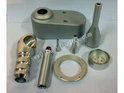
We offer Precise Smooth Surface Aluminum Machining services. Our CNC machining process can achieve high precision and a smooth surface finish on aluminum parts, meeting the strict requirements of the agricultural industry. Whether it's small components for irrigation systems or larger parts for tractors, we can produce them with the required accuracy.
Stainless Steel (SS303)
Stainless steel, especially SS303, is another common material for CNC machining in agriculture. SS303 has good machinability, which means it can be easily shaped into complex parts using CNC machines. It also offers high strength and durability, making it suitable for parts that need to withstand heavy loads and wear.
In the agricultural industry, stainless steel parts are often used in applications where hygiene is a concern. For instance, in food - processing equipment on farms, SS303 parts can be used because they are resistant to rust and can be easily cleaned. The hexagon rod form of SS303 is particularly useful for creating shafts and other structural components.
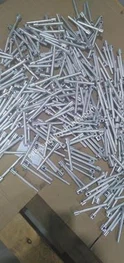
Our SS303 CNC Metal Machining By Hexagon Rod service is designed to take full advantage of the properties of SS303. We can machine hexagon rods into precise parts with tight tolerances, ensuring that they fit perfectly into the agricultural equipment.
Steel
Steel is a traditional and reliable material for CNC machining in agriculture. It comes in various grades, each with its own set of properties. Mild steel, for example, is relatively inexpensive and easy to machine. It is often used for general - purpose parts such as brackets, frames, and simple mechanical components.
High - strength steel, on the other hand, is used for parts that need to withstand extreme forces. In heavy - duty agricultural machinery like large tractors and combines, high - strength steel parts are used in critical areas such as axles and gears.
The advantage of using steel in CNC machining is its versatility. It can be heat - treated to enhance its hardness and toughness, depending on the specific requirements of the part. We can produce a wide range of steel parts for the agricultural industry, from small quantity prototypes to large - scale production runs.


Brass
Brass is a copper - zinc alloy that is known for its good electrical conductivity, corrosion resistance, and attractive appearance. In the agricultural industry, brass parts are often used in electrical and plumbing applications. For example, brass fittings are commonly used in irrigation systems because they can resist the corrosive effects of water and chemicals.
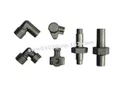
Brass is also easy to machine, which makes it a cost - effective option for producing small, intricate parts. Our CNC machining capabilities allow us to create high - quality brass parts with fine details, ensuring a perfect fit and reliable performance in agricultural equipment.
Titanium
Although titanium is more expensive than some of the other materials mentioned above, it offers unique properties that make it suitable for certain agricultural applications. Titanium has a high strength - to - weight ratio, which means it can provide the same level of strength as steel but at a much lower weight. This is beneficial in applications where weight reduction is a priority, such as in the design of lightweight drones for agricultural monitoring.
Titanium is also highly corrosion - resistant, even in the most aggressive environments. It can withstand exposure to saltwater, acids, and alkalis, making it ideal for parts used in coastal or chemically - treated agricultural areas.
Plastic
Plastics are becoming increasingly popular in CNC machining for the agricultural industry. There are different types of plastics available, each with its own characteristics. For example, polycarbonate is known for its high impact resistance and transparency. It can be used in the production of protective covers for agricultural machinery, allowing operators to monitor the internal components while providing protection.
Acrylic is another plastic material that is often used for its good optical properties and ease of machining. It can be used to create display panels or decorative elements in agricultural equipment.
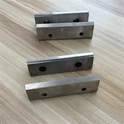
One of the main advantages of using plastics in CNC machining is their low cost and ease of production. They can be molded into complex shapes quickly and at a relatively low cost, making them a great option for small - quantity production runs. We offer Small Quantity CNC Machined Metal Parts, and our plastic machining services are also suitable for small - scale projects in the agricultural industry.
Considerations When Choosing Materials
When choosing the material for CNC machining parts in the agricultural industry, several factors need to be considered. Firstly, the operating environment of the equipment is crucial. If the equipment will be exposed to moisture, chemicals, or extreme temperatures, a material with high corrosion resistance and thermal stability should be selected.
Secondly, the mechanical requirements of the part, such as strength, hardness, and wear resistance, need to be taken into account. For example, parts that are subject to heavy loads or friction should be made from materials with high strength and good wear - resistant properties.
Cost is also an important consideration. While some materials like titanium offer excellent properties, they can be expensive. In many cases, a balance needs to be struck between the performance requirements of the part and the cost of the material.
Conclusion
As a CNC machining parts supplier, we understand the diverse needs of the agricultural industry. We offer a wide range of materials for CNC machining, including aluminum, stainless steel, steel, brass, titanium, and plastics. Each material has its own unique properties, and by choosing the right material, we can produce high - quality parts that meet the specific requirements of agricultural equipment.
If you are in the agricultural industry and are looking for reliable CNC machining parts, we invite you to contact us for a consultation. Our team of experts can help you select the most suitable material for your parts and provide you with a cost - effective solution. We are committed to delivering high - quality products and excellent customer service.
References
- ASM Handbook Committee. (2000). ASM Handbook Volume 2: Properties and Selection: Nonferrous Alloys and Special - Purpose Materials. ASM International.
- Kalpakjian, S., & Schmid, S. R. (2008). Manufacturing Engineering and Technology. Pearson Prentice Hall.
- Rowe, W. B. (2009). Principles of Modern Grinding Technology. Elsevier.