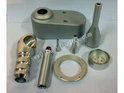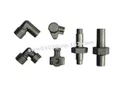

Hey there! As a supplier of CNC machining parts, I've been in the thick of the production process for quite some time. And let me tell you, managing it effectively is no walk in the park. But over the years, I've picked up a few tricks and strategies that have helped me streamline operations and deliver top - notch products to my customers. So, in this blog, I'm gonna share some of these tips on how to manage the production process of CNC machining parts more effectively.
1. Planning and Scheduling
First things first, proper planning and scheduling are the backbone of any successful production process. Before you even start machining, you need to have a clear roadmap of what you're going to do. This means breaking down the entire production process into smaller, manageable tasks and setting realistic deadlines for each one.
For instance, if you're working on a batch of OEM Roughness Ra1.6 CNC Aluminum, you need to determine how long it will take to source the raw materials, program the CNC machines, perform the actual machining, and conduct quality checks. By having a detailed plan, you can identify potential bottlenecks in advance and come up with solutions to avoid them.
One great tool for scheduling is a Gantt chart. It allows you to visualize the entire production process, including the start and end dates of each task, and the dependencies between them. This way, you can easily see if any tasks are falling behind schedule and take corrective action right away.
2. Machine Maintenance
Your CNC machines are the heart of your production process, so keeping them in top condition is crucial. Regular maintenance not only extends the lifespan of your machines but also ensures consistent quality in your machining parts.
Create a maintenance schedule for each machine and stick to it. This should include daily, weekly, monthly, and annual maintenance tasks. For example, daily tasks might involve cleaning the machine, checking the coolant levels, and inspecting the tooling. Weekly tasks could include lubricating the moving parts and checking the accuracy of the machine's axes.
Invest in high - quality spare parts and have them readily available. This way, if a part breaks down, you can replace it quickly and minimize downtime. Also, train your operators on basic machine maintenance so they can spot potential issues early on and report them to the maintenance team.
3. Quality Control
Quality control is non - negotiable when it comes to CNC machining parts. You don't want to ship out faulty parts to your customers, as this can damage your reputation and lead to costly returns.
Implement a comprehensive quality control system at every stage of the production process. Start by inspecting the raw materials before they are used. Make sure they meet the required specifications in terms of material composition, dimensions, and surface finish.
During the machining process, use in - process inspection techniques such as measuring the dimensions of the parts at regular intervals. This allows you to catch any deviations from the design specifications early and make adjustments to the machining parameters if necessary.
After the parts are machined, conduct a final inspection. This could involve using precision measuring instruments like calipers, micrometers, and coordinate measuring machines (CMMs) to ensure that the parts meet the exact requirements. For example, if you're producing China Aluminum 6061 - T6 CNC Components, you need to check the hardness, strength, and surface finish to ensure they are up to par.
4. Operator Training
Your operators are the ones who are actually running the CNC machines, so their skills and knowledge play a huge role in the success of your production process. Provide regular training to your operators to keep them updated on the latest machining techniques, safety procedures, and machine operation.
New operators should go through a comprehensive training program that covers everything from basic machine operation to advanced programming. Experienced operators can benefit from refresher courses and training on new technologies or machining processes.
Encourage your operators to share their knowledge and experiences with each other. This can create a culture of continuous learning and improvement within your team. Also, provide incentives for operators who achieve high levels of productivity and quality.
5. Inventory Management
Managing your inventory effectively is essential for keeping your production process running smoothly. You need to have the right amount of raw materials, tools, and spare parts on hand at all times, without overstocking and tying up too much capital.
Use an inventory management system to track your inventory levels in real - time. This system should be able to generate reports on inventory usage, reorder points, and lead times. Based on this information, you can place orders for new inventory at the right time to avoid stockouts.
For raw materials, establish relationships with reliable suppliers. Negotiate favorable terms with them, such as long - term contracts and volume discounts. This can help you reduce your costs and ensure a steady supply of materials.
When it comes to tooling, have a system in place to track the usage and lifespan of each tool. Replace worn - out tools before they cause quality issues or damage to the machines.
6. Lean Manufacturing Principles
Applying lean manufacturing principles can significantly improve the efficiency of your production process. Lean manufacturing focuses on eliminating waste in all forms, including overproduction, waiting time, transportation, and defects.
One of the key lean manufacturing tools is value stream mapping. This involves mapping out the entire production process from the raw materials to the finished product and identifying all the value - added and non - value - added activities. By eliminating the non - value - added activities, you can reduce the lead time and cost of production.
Another important principle is just - in - time (JIT) production. This means producing the right quantity of parts at the right time to meet the customer's demand. By implementing JIT, you can reduce inventory levels and improve cash flow.


7. Communication and Collaboration
Effective communication and collaboration are vital for managing the production process of CNC machining parts. You need to have clear lines of communication between different departments, such as production, engineering, quality control, and sales.
Hold regular meetings to discuss the progress of the production process, address any issues or concerns, and share information. Use project management software to keep everyone informed about the status of each project, including the tasks assigned, deadlines, and any changes in the plan.
Encourage collaboration between different teams. For example, the engineering team can work closely with the production team to optimize the machining processes and improve the quality of the parts. The sales team can provide valuable feedback from the customers, which can be used to improve the products and services.
Conclusion
Managing the production process of CNC machining parts effectively requires a combination of careful planning, proper maintenance, quality control, operator training, inventory management, lean manufacturing principles, and good communication. By implementing these strategies, you can improve the efficiency, quality, and profitability of your production process.
If you're in the market for high - quality CNC machining parts, whether it's Precise Smooth Surface Aluminum Machining or any other type of parts, we'd love to have a chat with you. We're committed to providing the best products and services to our customers. Don't hesitate to reach out for a purchase negotiation.
References
- Smith, J. (2018). CNC Machining Handbook. Industrial Press.
- Jones, A. (2020). Lean Manufacturing for Small Businesses. McGraw - Hill.
- Brown, C. (2019). Quality Control in Manufacturing. Wiley.