


As a forging parts supplier, I've seen firsthand how proper maintenance of forging dies can make or break a business. Forging dies are the heart and soul of the parts manufacturing process, so taking care of them is super important. In this blog, I'll share some practical methods for maintaining forging dies to ensure that they deliver high - quality parts consistently.
1. Regular Cleaning
One of the simplest yet most effective ways to maintain forging dies is through regular cleaning. During the forging process, all sorts of debris like scale, lubricant residues, and metal particles can accumulate on the die surface. If left unchecked, this build - up can cause all kinds of problems, such as poor part quality and premature die wear.
To clean the forging dies, you can use several methods. For light debris, a simple air blast can do the trick. Compressed air can blow away loose particles effectively. For more stubborn residues, you might need to use a wire brush or a non - abrasive cleaning solution. Just be careful not to scratch the die surface while scrubbing.
After cleaning, make sure to dry the dies thoroughly. Moisture can lead to rust and corrosion, especially if the dies are made of steel. You can use a clean, dry cloth or even a low - heat air dryer to ensure the dies are completely dry.
2. Inspection and Monitoring
Regular inspection is key to identifying any signs of wear, damage, or cracks in the forging dies. You can start by doing a visual inspection after each batch of forging. Look for any obvious signs like chipping, gouging, or uneven wear on the die surface. Pay extra attention to areas that come into direct contact with the hot metal, as these are more prone to damage.
It's also a good idea to use non - destructive testing methods, such as ultrasonic testing or magnetic particle inspection, on a regular basis. These techniques can detect hidden flaws that are not visible to the naked eye. By catching these issues early, you can prevent more serious problems down the line, like die failure during the forging process, which can be costly and time - consuming to fix.
Monitoring the working conditions of the forging dies is also important. Keep track of parameters like temperature, pressure, and the number of forging cycles. Sudden changes in these conditions can indicate potential problems with the dies. For example, if the forging pressure increases significantly, it might be a sign that the die is starting to wear out or that there is an issue with the forging equipment.
3. Proper Lubrication
Lubrication plays a crucial role in the maintenance of forging dies. A good lubricant can reduce friction between the die and the workpiece, which helps to prevent wear and tear on the die surface. It also helps to control the temperature during the forging process, as friction can generate a lot of heat.

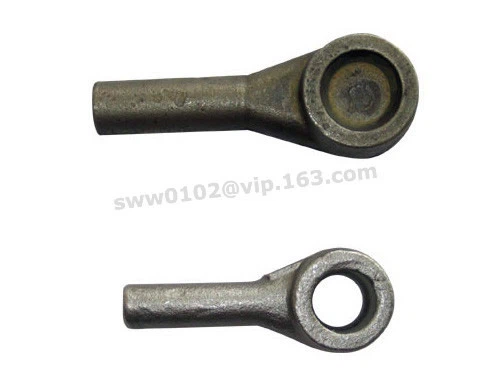
When choosing a lubricant for your forging dies, make sure to select one that is suitable for the type of forging process you're using and the material of the workpiece. There are different types of lubricants available, such as water - based, oil - based, and graphite - based lubricants. Each has its own advantages and disadvantages, so do some research to find the best one for your needs.
Apply the lubricant evenly on the die surface before each forging operation. You can use a spray gun or a brush to ensure a uniform coating. Make sure not to over - lubricate, as this can lead to excessive build - up and might even affect the quality of the forged parts.
4. Heat Treatment and Stress Relief
Forging dies are subjected to high temperatures and stresses during the forging process. Over time, this can cause the dies to become brittle and develop internal stresses, which can lead to cracks and other forms of damage. Heat treatment and stress relief are important steps in maintaining the integrity of the forging dies.
Periodically, you should subject the forging dies to a proper heat treatment process. This can help to restore the mechanical properties of the die material, such as hardness and toughness. The heat treatment process usually involves heating the dies to a specific temperature and then cooling them down at a controlled rate.
Stress relief is also crucial. After a certain number of forging cycles, you can relieve the internal stresses in the dies by heating them to a lower temperature and holding them there for a period of time. This helps to reduce the risk of cracking and improves the overall durability of the dies.
5. Storage and Handling
Proper storage and handling of forging dies are often overlooked but are essential for their long - term maintenance. When the dies are not in use, they should be stored in a clean, dry, and temperature - controlled environment. This helps to prevent rust and corrosion.
You can use a protective coating on the die surface before storing them. This can provide an extra layer of protection against moisture and oxidation. Also, make sure to store the dies in a way that prevents them from being damaged. Avoid stacking heavy objects on top of the dies, as this can cause deformation.
During handling, be careful not to drop or knock the dies. Always use proper lifting equipment and follow the recommended handling procedures. Even a small impact can cause damage to the die surface, which can affect the quality of the forged parts.
Related Products
If you're in the market for high - quality forging parts, we've got some great options for you. Check out our OEM Carbon Steel Q235 St37 - 2 C45 1010 Forged Steel, Custom Fabrication Carbon Steel Hot Forging Parts, and Customize China CuZn39Pb3 Brass Forging. These products are made with precision and care, and our well - maintained forging dies ensure their high quality.
Conclusion
Maintaining forging dies is a multi - faceted process that involves regular cleaning, inspection, lubrication, heat treatment, and proper storage and handling. By following these methods, you can extend the lifespan of your forging dies, improve the quality of your forged parts, and ultimately save time and money.
If you're interested in purchasing high - quality forging parts or have any questions about forging die maintenance, feel free to reach out and start a procurement discussion. We're always here to help!
References
- "Forging Technology Handbook" by ASM International
- "Die Design for Metal Forming" by George E. Dieter


