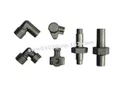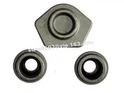

Hey there! As a DIN551 supplier, I've been getting a lot of questions lately about what it really costs to implement DIN551 in a company. So, I thought I'd sit down and break it all down for you.
First off, let's talk about what DIN551 actually is. DIN standards are a set of German industrial standards that cover a wide range of products and processes. DIN551 specifically focuses on certain types of fasteners and related components. These standards are widely recognized and adhered to in many industries because they ensure a certain level of quality, safety, and compatibility.
Now, when it comes to the cost of implementing DIN551 in a company, there are several factors to consider.
1. Training Costs
One of the first things a company needs to do when implementing DIN551 is to train its employees. This includes everyone from the production line workers to the quality control team. They need to understand the requirements of the standard, how to measure and test the products according to it, and what the implications are for their day - to - day work.
Training can come in different forms. You could hire an external consultant who specializes in DIN standards to come in and conduct workshops. These consultants usually charge by the hour or by the project. On average, a full - day workshop for a medium - sized production team could cost anywhere from $1,000 to $3,000, depending on the consultant's experience and reputation.
If you prefer, you can also send your employees to training courses offered by professional organizations. These courses can be more expensive, especially if they are held in a different city or country. Tuition fees for a week - long DIN551 training course can range from $2,000 to $5,000 per person, not including travel and accommodation expenses.
2. Equipment and Tools
To produce and test products according to DIN551, a company may need to invest in new equipment and tools. For example, precision measuring instruments are essential for ensuring that the fasteners meet the exact dimensions specified in the standard.
A high - quality caliper, which is used to measure the diameter and length of fasteners, can cost anywhere from $50 to $200, depending on its accuracy and features. A micrometer, which provides even more precise measurements, can cost between $100 and $500.
In addition to measuring tools, you may also need to invest in testing equipment. For instance, a hardness tester is used to determine the hardness of the fasteners, which is an important parameter in DIN551. A basic hardness tester can cost around $500, while more advanced models can cost upwards of $2,000.
Let's not forget about production equipment. If your current machinery is not capable of producing fasteners to the DIN551 specifications, you may need to upgrade or replace it. This can be a significant expense. A new CNC machine, which is often used for manufacturing precision fasteners, can cost anywhere from $20,000 to $100,000 or more, depending on its size and capabilities.
3. Documentation and Certification
Another cost associated with implementing DIN551 is the preparation of documentation. You need to create detailed documentation that shows how your company is meeting the requirements of the standard. This includes quality control plans, production process descriptions, and test reports.
You may need to hire a technical writer or a quality management expert to help you with this. Their services can cost anywhere from $50 to $150 per hour. And if you want to get your products certified to DIN551, you'll need to pay for the certification process. Certification bodies usually charge based on the scope of the certification and the complexity of your products. On average, the certification fee can range from $1,000 to $5,000.
4. Raw Material Costs
DIN551 often has specific requirements for the raw materials used in the production of fasteners. You may need to source higher - quality materials to ensure that your products meet the standard.
For example, if you're manufacturing fasteners from nickel alloys, such as Inconel 800, the cost of the raw material can be relatively high. You can check out the Cold Rolled 180x50 Inconel 800 on our website to get an idea of the quality and cost of such materials.
In addition, using higher - quality raw materials may also result in more waste during the production process, which further adds to the cost. You need to factor in the cost of waste disposal as well.
5. Production Efficiency
Implementing DIN551 may also have an impact on your production efficiency. Your workers may need to slow down the production process to ensure that each fastener meets the standard. This can lead to a decrease in the overall output, which means less revenue in the short term.
Moreover, there may be a learning curve for your employees as they get used to working according to the new standard. During this period, there may be more mistakes and rework, which also adds to the cost.


Is It Worth It?
Despite all these costs, implementing DIN551 can bring many benefits to a company. Products that are certified to DIN551 are more likely to be accepted in the international market, as they are seen as high - quality and reliable. This can open up new business opportunities and increase your market share.
In addition, adhering to the standard can improve your company's internal processes and quality control, which can lead to fewer customer complaints and returns in the long run.
If you're in the market for high - quality fasteners and related components that meet DIN551 standards, we've got you covered. We also offer OEM Investment Casting Manufacturers Located In Ningbo ,China services and have products like the OD120x5mm Al6xn Plate in our inventory.
If you're interested in purchasing our products or discussing how we can help you implement DIN551 in your company, don't hesitate to get in touch. We're here to answer all your questions and guide you through the process.
References
- "DIN Standards Handbook: Fasteners", German Institute for Standardization
- "Quality Management in the Manufacturing Industry", Industrial Press Inc.
- "Cost - Benefit Analysis of Implementing Industrial Standards", Journal of Manufacturing Economics