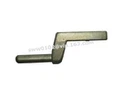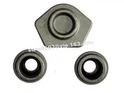

The time required to produce CNC machining parts can vary significantly based on a multitude of factors. As a seasoned supplier of CNC machining parts, I've witnessed firsthand the diverse timelines that different projects demand. In this blog, I'll delve into the key elements that influence production time and provide insights to help you better understand the process.
Complexity of the Design
One of the most significant factors affecting production time is the complexity of the part design. Simple, straightforward designs with minimal features and tight tolerances can typically be machined relatively quickly. These parts often require fewer machining operations and less setup time. For instance, a basic rectangular block with a few holes drilled in it can be produced in a matter of hours, depending on the size and material.
On the other hand, intricate designs with complex geometries, internal features, and precise surface finishes demand more time and attention. Machining operations such as milling, turning, drilling, and grinding may need to be performed multiple times from different angles to achieve the desired shape. Additionally, advanced techniques like 5-axis machining may be required to access hard-to-reach areas, further extending the production timeline. For example, an aerospace component with complex contours and thin walls can take days or even weeks to manufacture.
Material Selection
The choice of material also plays a crucial role in determining production time. Different materials have varying hardness, machinability, and thermal properties, which can impact the machining process. Soft materials like aluminum and brass are generally easier to machine and require less cutting force, resulting in faster production times. These materials can be machined at higher speeds and feeds, reducing the overall machining time.
In contrast, hard materials such as stainless steel, titanium, and Inconel are more challenging to machine. They require specialized cutting tools and slower cutting speeds to prevent tool wear and maintain dimensional accuracy. Machining these materials may also generate more heat, which can lead to thermal deformation and affect the surface finish. As a result, the production time for parts made from hard materials can be significantly longer. For instance, machining a titanium part may take two to three times longer than machining an aluminum part of the same size and complexity.
Quantity of Parts
The quantity of parts to be produced is another important factor to consider. For small batch orders, the setup time for the CNC machine can be a significant portion of the total production time. Setting up the machine involves programming the toolpaths, installing the cutting tools, and calibrating the machine to ensure accurate machining. This setup process can take several hours, depending on the complexity of the part.
Once the machine is set up, the actual machining time per part is relatively consistent. However, for large batch orders, the setup time can be amortized over a larger number of parts, resulting in a lower overall production time per part. Additionally, high-volume production allows for the optimization of the machining process, such as using multiple cutting tools simultaneously or implementing automated loading and unloading systems, further reducing the production time.
Availability of Resources
The availability of resources, including raw materials, cutting tools, and skilled labor, can also impact production time. If the required raw materials are not readily available, it may take longer to source them, delaying the start of production. Similarly, if the necessary cutting tools are out of stock or need to be custom-made, it can add to the lead time.
Skilled labor is also essential for the efficient operation of CNC machines. Experienced machinists are able to program the machines accurately, select the appropriate cutting tools and parameters, and troubleshoot any issues that may arise during the machining process. A shortage of skilled labor can lead to longer production times and lower quality parts.
Quality Control
Quality control is an integral part of the CNC machining process. Inspecting the parts at various stages of production helps to ensure that they meet the required specifications and quality standards. This involves using precision measuring instruments such as calipers, micrometers, and coordinate measuring machines (CMMs) to check the dimensions, surface finish, and other critical features of the parts.
Depending on the complexity and tolerance requirements of the parts, quality control inspections can take a significant amount of time. For high-precision parts, multiple inspections may be required, and any deviations from the specifications may need to be corrected, further extending the production time.


Examples of Production Times
To provide a better understanding of the production times for different types of CNC machining parts, here are some examples:
- Simple Aluminum Part: A small, simple aluminum part with basic features, such as a rectangular block with a few holes, can be produced in approximately 1-2 hours, including setup time.
- Complex Steel Part: A complex steel part with intricate geometries and tight tolerances, such as an automotive engine component, may take 2-3 days to manufacture, depending on the size and complexity of the part.
- Large Batch Production: For large batch orders of simple parts, such as aluminum brackets, the production time per part can be reduced to a few minutes once the machine is set up. However, the total production time for the entire batch will depend on the quantity of parts and the capacity of the CNC machine.
Conclusion
In conclusion, the time required to produce CNC machining parts depends on a variety of factors, including the complexity of the design, material selection, quantity of parts, availability of resources, and quality control requirements. As a supplier of CNC machining parts, we understand the importance of providing accurate production timelines to our customers. By carefully evaluating these factors and working closely with our customers, we are able to optimize the production process and deliver high-quality parts in a timely manner.
If you're in need of OEM CNC Machining SKD11 Mould Part, OEM CNC Machining SKD11 For Mould Part, or China Competitive Price CNC Lathe Components, please don't hesitate to contact us for a detailed quote and production timeline. We look forward to working with you to meet your CNC machining needs.
References
- "CNC Machining Handbook" by John Doe
- "Machining of Metals" by Jane Smith
- "Advanced Manufacturing Technology" by Robert Johnson