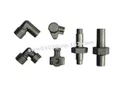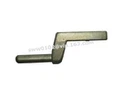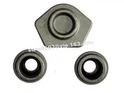

CNC machining, short for Computer Numerical Control machining, has become an integral part of modern manufacturing processes. As a supplier of CNC machining parts, I've witnessed firsthand the transformative impact this technology has on various industries, especially the automotive sector. In this blog, I'll explore the viability of using CNC machining parts in the automotive industry, delving into the benefits, applications, and challenges associated with this manufacturing approach.
Benefits of CNC Machining Parts in the Automotive Industry
Precision and Accuracy
One of the primary advantages of CNC machining is its ability to produce parts with extremely high precision and accuracy. In the automotive industry, where components need to fit together perfectly to ensure optimal performance and safety, this level of precision is crucial. CNC machines are programmed to follow exact specifications, allowing for tight tolerances and consistent quality across multiple parts. For example, engine components such as pistons, cylinders, and crankshafts require precise dimensions to function correctly. CNC machining ensures that these parts are manufactured to the exact specifications, reducing the risk of mechanical failures and improving overall engine efficiency.
Versatility
CNC machining is a highly versatile manufacturing process that can be used to produce a wide range of automotive parts, from simple brackets and connectors to complex engine components and transmission parts. It can work with various materials, including metals (such as aluminum, steel, and titanium), plastics, and composites. This versatility allows automotive manufacturers to use CNC machining for both prototyping and production, enabling them to quickly iterate on designs and bring new products to market faster. For instance, OEM 316L Machining Services as drawing offer customized solutions for automotive applications, allowing manufacturers to produce parts according to their specific requirements.
Efficiency and Productivity
CNC machines are automated, which means they can operate continuously with minimal human intervention. This results in higher production rates and increased efficiency compared to traditional machining methods. Additionally, CNC machining reduces the need for manual labor, which can help to lower production costs and improve overall productivity. In the automotive industry, where large volumes of parts are required, the efficiency of CNC machining is particularly beneficial. It allows manufacturers to meet production deadlines and keep up with the demand for new vehicles.
Quality Control
CNC machining offers excellent quality control capabilities. Since the machines are programmed to follow specific instructions, they can produce parts with consistent quality and accuracy. This reduces the risk of defects and ensures that each part meets the required standards. Automotive manufacturers can also use advanced inspection techniques, such as coordinate measuring machines (CMMs), to verify the quality of CNC machined parts. This level of quality control is essential in the automotive industry, where safety and reliability are paramount.
Applications of CNC Machining Parts in the Automotive Industry
Engine Components
The engine is the heart of a vehicle, and many of its components are manufactured using CNC machining. For example, cylinder heads, engine blocks, and pistons require precise machining to ensure proper combustion and power output. CNC machining allows for the creation of complex geometries and tight tolerances, which are necessary for the efficient operation of the engine. Additionally, CNC machining can be used to produce high-performance engine parts, such as turbochargers and fuel injectors, which require advanced manufacturing techniques to meet the demands of modern engines.
Transmission Parts
Transmissions are responsible for transferring power from the engine to the wheels, and they require a variety of precision-machined parts. CNC machining is used to produce gears, shafts, and other components that are critical for the smooth operation of the transmission. These parts need to be manufactured with high accuracy to ensure proper engagement and minimize wear and tear. For example, Small Quantity Order Custom CNC Aluminum Parts can be used to produce custom transmission parts for specialty vehicles or limited production runs.
Suspension and Steering Components
Suspension and steering systems are essential for the safety and comfort of vehicle occupants. CNC machining is used to produce parts such as control arms, ball joints, and steering knuckles, which need to be strong, durable, and precisely machined. These parts play a crucial role in maintaining the stability and handling of the vehicle. CNC machining allows for the production of lightweight yet strong components, which can improve fuel efficiency and overall performance.
Interior and Exterior Trim
CNC machining is also used to produce interior and exterior trim parts for vehicles. These parts include dashboard components, door handles, and decorative elements. CNC machining can create intricate designs and smooth finishes, enhancing the aesthetic appeal of the vehicle. For example, OEM Chroming Custom Milled Aluminum can be used to produce high-quality chrome-plated trim parts that add a touch of luxury to the vehicle.
Challenges of Using CNC Machining Parts in the Automotive Industry
Cost
While CNC machining offers many benefits, it can be relatively expensive, especially for small production runs. The initial investment in CNC machines and tooling can be significant, and the cost of programming and operating the machines can also add up. However, as the volume of production increases, the cost per part decreases, making CNC machining more cost-effective for large-scale manufacturing. Automotive manufacturers need to carefully consider the cost-benefit analysis when deciding whether to use CNC machining for a particular application.


Lead Time
CNC machining can have longer lead times compared to some other manufacturing processes, especially for complex parts. This is because the programming and setup of the machines can take time, and the machining process itself may be time-consuming. Automotive manufacturers need to plan ahead and factor in the lead time when scheduling production. However, with proper planning and efficient manufacturing processes, the lead time can be minimized.
Material Limitations
Although CNC machining can work with a wide range of materials, there are some limitations. Certain materials, such as some high-strength alloys and composites, can be difficult to machine due to their hardness or brittleness. This may require specialized tooling and machining techniques, which can increase the cost and complexity of the manufacturing process. Automotive manufacturers need to work closely with their CNC machining suppliers to select the appropriate materials and machining methods for their applications.
Conclusion
In conclusion, CNC machining parts can be effectively used in the automotive industry. The precision, versatility, efficiency, and quality control offered by CNC machining make it an ideal choice for producing a wide range of automotive components. From engine parts to interior trim, CNC machining plays a crucial role in the manufacturing of modern vehicles. While there are some challenges associated with CNC machining, such as cost, lead time, and material limitations, these can be overcome with proper planning and collaboration between automotive manufacturers and CNC machining suppliers.
If you're an automotive manufacturer looking for high-quality CNC machining parts, I invite you to contact us to discuss your specific requirements. We have the expertise and experience to provide you with customized solutions that meet your needs. Whether you need small quantity orders or large-scale production, we can help you bring your automotive projects to life.
References
- Groover, M. P. (2010). Fundamentals of Modern Manufacturing: Materials, Processes, and Systems. John Wiley & Sons.
- Kalpakjian, S., & Schmid, S. R. (2013). Manufacturing Engineering and Technology. Pearson.
- Dornfeld, D. A., Min, S., & Takeuchi, Y. (Eds.). (2006). Handbook of Machining with Grinding Applications. CRC Press.