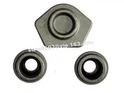

Hey there! As a forging parts supplier, I've been in the thick of the mining equipment industry for quite some time. Today, I wanna chat about the forging requirements for mining equipment parts. It's a topic that's super important for anyone involved in mining, from the big - wigs making decisions to the folks on the ground using the equipment.
First off, let's talk about the materials. Mining is a tough gig, and the parts used in mining equipment need to be able to withstand some serious abuse. That's why we often use high - strength metals like steel, brass, and aluminum.
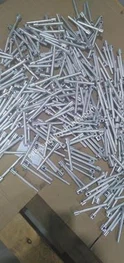
Steel is a go - to material for many mining parts. It's strong, durable, and can handle high levels of stress. For example, parts like gears, shafts, and couplings in mining machinery are typically made of steel. We offer OEM A105 Aisi1045 Small Steel Metal Forge, which is great for small - scale but high - stress applications in mining equipment. This type of steel can be forged to have the right shape and properties to fit into different mining machines.
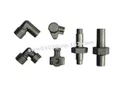
Brass is another material we work with. It has good corrosion resistance and is also quite strong. In mining, where the equipment is often exposed to harsh environments, corrosion can be a real problem. Our Customize China CuZn39Pb3 Brass Forging is perfect for parts that need to resist corrosion while still being able to handle mechanical loads. It can be used in valves, fittings, and other components that come into contact with water or chemicals in the mining process.
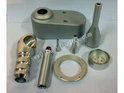
Aluminum is lightweight yet strong, which makes it ideal for parts where weight is a concern. For instance, in some mobile mining equipment, using aluminum parts can reduce the overall weight of the machine, making it more fuel - efficient and easier to maneuver. Our OEM 6061 - T6 Aluminium Forging With Heat Treatment is treated to enhance its strength and durability. The heat treatment process gives it the right balance of hardness and toughness, making it suitable for various mining applications.


Now, let's move on to the forging process itself. Precision is key when forging mining equipment parts. The parts need to be made to very tight tolerances to ensure they fit perfectly into the machinery. A small error in the dimensions can lead to problems like misalignment, which can cause premature wear and tear or even equipment failure.
We use advanced forging techniques to achieve the required precision. For example, die forging is a common method we employ. In die forging, the metal is placed between two dies, and pressure is applied to shape it. This method allows us to create parts with complex shapes and high precision. We can control the size, shape, and surface finish of the parts to meet the exact specifications of our customers.
Another important aspect of the forging process is the control of the grain structure of the metal. During forging, the grain structure of the metal is rearranged, which can have a significant impact on the mechanical properties of the part. By carefully controlling the forging temperature, pressure, and deformation rate, we can ensure that the grain structure is optimized for the specific application. For example, in parts that need high strength, we can create a fine - grained structure that enhances the part's ability to withstand stress.
In addition to precision and grain structure control, the surface finish of the forging parts is also crucial. A smooth surface finish can reduce friction and wear, which is especially important in parts that move against each other, like pistons and cylinders. We use various finishing processes, such as grinding and polishing, to achieve the desired surface finish. This not only improves the performance of the parts but also extends their service life.
Quality control is an integral part of our forging process. We have a strict quality control system in place to ensure that every part we produce meets the highest standards. Before a part leaves our facility, it goes through a series of tests, including dimensional inspection, hardness testing, and non - destructive testing. These tests help us identify any potential defects and ensure that the parts are safe and reliable for use in mining equipment.
When it comes to meeting the specific requirements of mining equipment manufacturers, we offer customization services. Every mining operation is unique, and the equipment they use often has specific needs. We work closely with our customers to understand their requirements and develop customized forging solutions. Whether it's a special shape, a specific material, or a particular set of mechanical properties, we have the expertise and resources to deliver.
If you're in the mining equipment industry and are looking for high - quality forging parts, I encourage you to get in touch with us. We're here to help you find the right solutions for your equipment. Whether you need a small batch of custom - made parts or a large - scale production run, we can meet your needs. Don't hesitate to reach out and start a conversation about your forging requirements.
References:
- "Metal Forging Handbook" - A comprehensive guide on forging processes and materials.
- Industry standards and guidelines for mining equipment manufacturing.