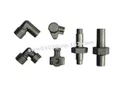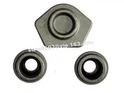

Hey there! I'm a supplier of forging parts, and today I wanna chat about how the forging process affects the corrosion resistance of parts. It's a topic that's super important in our industry, and understanding it can help you make better decisions when it comes to choosing the right forging parts for your needs.
First off, let's talk about what forging is. Forging is a manufacturing process where metal is heated and then shaped by applying compressive forces. This can be done using hammers, presses, or other tools. The goal of forging is to create a part with a specific shape and properties, like strength, durability, and yes, corrosion resistance.
One of the key ways that forging affects corrosion resistance is through the grain structure of the metal. When metal is forged, the grains in the metal are deformed and aligned in a specific direction. This alignment can have a big impact on how the metal behaves when it comes into contact with corrosive substances.
For example, in a well - forged part, the aligned grain structure can create a more uniform surface, which is less likely to have areas where corrosion can start. Think of it like a well - organized army. When everything is in order, it's harder for the enemy (in this case, corrosion) to break through. On the other hand, if the grain structure is chaotic, there are more weak points where corrosion can take hold.
Another aspect is the density of the metal. During forging, the metal is compressed, which increases its density. A denser metal has fewer voids and pores. Voids and pores are like little hiding places for corrosive agents. They can trap moisture, oxygen, and other substances that cause corrosion. By reducing the number of these voids through forging, we can significantly improve the corrosion resistance of the part.
Let's take a look at different types of forging materials and how the process affects their corrosion resistance.
Stainless Steel Forging
Stainless steel is a popular choice for forging parts because of its inherent corrosion resistance. But the forging process can still make a big difference. When we forge high - quality stainless steel, like the High Quality Forging Stainless Steel, the proper forging temperature and pressure can help to maintain and even enhance the chromium oxide layer on the surface of the steel. This layer is what gives stainless steel its corrosion - resistant properties.
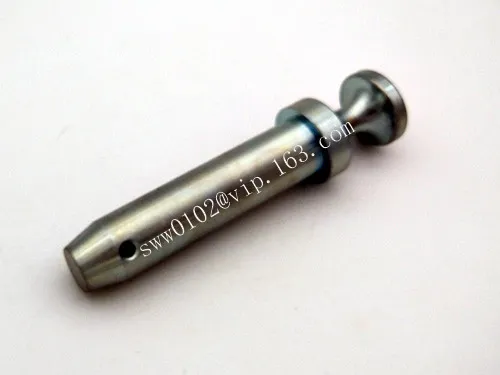

If the forging is done incorrectly, for example, at too high a temperature, it can cause the chromium to react with other elements in the steel, reducing the effectiveness of the protective layer. But when done right, the forging process can ensure that the chromium remains on the surface, providing excellent protection against rust and other forms of corrosion.
Carbon Steel Forging
Carbon steel, such as AISI 1045, is another common material for forging. It's strong and relatively inexpensive, but it's not as corrosion - resistant as stainless steel. However, through the forging process, we can improve its resistance.
For OEM Aisi1045 Steel Precise Press Forging, the forging can help to refine the grain structure, which in turn can slow down the corrosion process. Also, after forging, additional treatments like heat - treating and coating can be applied to further enhance the corrosion resistance. Heat - treating can change the internal structure of the steel, making it more resistant to the effects of corrosion. And coatings can act as a physical barrier between the steel and the corrosive environment.
Aluminum Forging
Aluminum is lightweight and has good corrosion resistance due to the formation of a natural oxide layer on its surface. When we forge OEM 6061 - T6 Forged Aluminum With CNC Machining, the forging process can help to make this oxide layer more uniform and adherent.
During forging, the aluminum is shaped under high pressure, which can help to spread the oxide layer evenly across the surface. Also, the forging can improve the mechanical properties of the aluminum, which means it can better withstand the physical stresses that can sometimes lead to damage of the oxide layer and subsequent corrosion.
Now, it's important to note that the forging process isn't a magic bullet. Even with the best forging, there are other factors that can affect corrosion resistance. The environment where the part will be used is a huge factor. For example, if a part is going to be used in a highly acidic or salty environment, it will face more severe corrosion challenges.
Maintenance also plays a role. Regular cleaning and inspection of the forged parts can help to catch any early signs of corrosion and take steps to prevent it from getting worse.
In addition, the choice of forging equipment and techniques can vary the outcome. Modern forging equipment allows for more precise control of temperature, pressure, and other parameters. This precision is crucial for achieving the best possible corrosion resistance. For instance, using computer - controlled presses can ensure that the forging process is consistent every time, resulting in parts with reliable corrosion - resistant properties.
So, if you're in the market for forging parts and corrosion resistance is a key concern, you need to pay attention to the forging process. Make sure you're working with a supplier who understands the importance of proper forging techniques and can provide you with parts that are optimized for corrosion resistance.
As a forging parts supplier, I've seen firsthand how the right forging process can make a world of difference in the performance of the parts. Whether you need high - quality stainless steel parts, carbon steel components, or aluminum forgings, we have the expertise to ensure that the parts we supply have excellent corrosion resistance.
If you're interested in learning more about our forging parts or have a specific project in mind, don't hesitate to reach out. We're here to help you find the perfect forging solution that meets your corrosion - resistance requirements.
References
- ASM Handbook Committee. (2000). ASM Handbook Volume 14A: Metalworking: Forging. ASM International.
- Fontana, M. G. (1986). Corrosion Engineering. McGraw - Hill.