
In the forging industry, ensuring the quality of forging parts is crucial for both the reputation of the supplier and the safety and performance of the end - products. Quality traceability methods play a vital role in achieving this goal. As a forging parts supplier, I understand the importance of these methods in maintaining high - quality standards and meeting customer expectations.


One of the primary quality traceability methods is material tracking. It starts from the moment the raw materials arrive at our facility. We maintain detailed records of the source of the materials, including the supplier's information, batch numbers, and certificates of compliance. For example, when we receive a batch of carbon steel for forging, we note down the specific grade, such as 1045, c45, Q235, St37 - 2, Q345, 1045, c45, Q235, St37 - 2, Q345 Carbon Steel Forging. These records are then linked to the subsequent manufacturing processes. Each time a part is made from the material, the relevant production information, like the forging date, production line number, and operator ID, is added to the record. This way, if there are any quality issues detected later, we can quickly trace back to the original material batch and identify if the problem originated from the raw material or the manufacturing process.
Another important method is process monitoring. During the forging process, we use a variety of sensors and inspection tools to monitor key parameters. For instance, temperature is a critical factor in forging. If the temperature is too high or too low, it can affect the microstructure and mechanical properties of the forging parts. We install thermocouples at different positions in the forging equipment to continuously measure the temperature. The data is recorded in real - time, and any deviations from the set temperature range are immediately flagged. Similarly, we monitor the pressure applied during forging, the speed of the forging equipment, and the deformation rate of the material. By closely monitoring these process parameters, we can ensure that each part is forged under optimal conditions. If a part fails to meet the quality requirements, we can review the process data to determine if there were any abnormal process conditions that led to the defect.
Marking and labeling are also essential for quality traceability. Once the forging parts are produced, we mark them with unique identifiers. This can be in the form of laser - etched codes, stamped numbers, or barcodes. The identifier contains information such as the part number, production date, and batch number. These markings allow us to quickly identify and track each individual part throughout the supply chain. For example, if a customer reports a problem with a specific part, we can use the identifier to access all the relevant production and quality control information associated with that part. This helps us to provide timely and accurate solutions to the customer.
In addition to these in - house methods, we also implement a comprehensive quality management system (QMS). Our QMS is based on international standards such as ISO 9001. This system includes procedures for quality planning, control, and improvement. We conduct regular internal audits to ensure that all our processes comply with the QMS requirements. The QMS also requires us to keep detailed records of all quality - related activities, including inspection reports, non - conformance records, and corrective action plans. These records serve as a valuable source of information for quality traceability. If a quality issue occurs, we can refer to the QMS records to understand the history of the problem, the actions taken to address it, and the effectiveness of those actions.
We also leverage digital technologies to enhance our quality traceability capabilities. We use an enterprise resource planning (ERP) system to manage all aspects of our business, from raw material procurement to product delivery. The ERP system integrates all the data related to production, quality control, and inventory management. This allows us to have a real - time view of the entire production process and easily track the movement of forging parts. For example, we can use the ERP system to monitor the inventory levels of different forging parts, check their production status, and access their quality records. In addition, we are exploring the use of blockchain technology for quality traceability. Blockchain can provide an immutable and transparent record of the entire supply chain, from the raw material supplier to the end - customer. This can significantly enhance the trust and reliability of our quality traceability system.
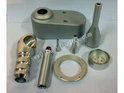
As a forging parts supplier, we also offer a range of high - quality products to our customers. For example, we provide OEM Professiona Supply Casting And Forging In Ningbo China, which is known for its excellent quality and precision. Our OEM 6061 - T6 Forged Aluminum With CNC Machining is another popular product, offering high strength - to - weight ratio and good machinability.
We are committed to providing our customers with the highest quality forging parts and the best possible service. Our comprehensive quality traceability methods ensure that every part we produce meets the strictest quality standards. If you are interested in our forging parts or have any questions about our products or quality traceability methods, please feel free to contact us for procurement discussions. We look forward to working with you to meet your forging part needs.
References
- ISO 9001:2015 Quality management systems - Requirements
- Industry best practices in forging quality control and traceability