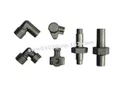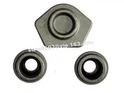

Hey there! If you're working on a project that requires CNC machining parts, you're in the right place. I'm a supplier of CNC machining parts, and I've been in this game for quite a while. Picking the right parts for your project can be a real head - scratcher, but don't worry, I'm here to break it down for you.
Understanding Your Project Needs
First things first, you gotta have a crystal - clear understanding of what your project demands. What's the end - goal of your project? Is it a consumer product, an industrial machine, or maybe something for the automotive industry? Each of these sectors has its own unique requirements.
For example, if you're building a consumer product, you'll probably want parts that are not only functional but also aesthetically pleasing. On the other hand, industrial machines usually need parts that can withstand high stress and wear. Think about the environment where your project will operate. Will it be in a harsh, corrosive environment? If so, you'll need parts made from materials that can resist corrosion.
Material Selection
The material of your CNC machining parts is super important. There are a ton of materials out there, each with its own set of properties.


Metals
- Aluminum: Aluminum is a popular choice because it's lightweight, corrosion - resistant, and easy to machine. China Aluminum 6061 - T6 CNC Components are a great option. Aluminum 6061 - T6 has good strength - to - weight ratio, making it suitable for a wide range of applications, from aerospace to consumer electronics.
- Stainless Steel: Stainless steel is known for its durability and corrosion resistance. If you need parts that can handle tough conditions, stainless steel is the way to go. OEM Casted SS304 CNC Machine Components are made from SS304, which is a common and versatile stainless - steel grade. It's often used in food processing equipment, architectural applications, and more. Another great option is 316L stainless steel. OEM 316L Machining Services as drawing offer parts made from 316L, which has better corrosion resistance than SS304, especially in marine environments.
Plastics
Plastics can also be used for CNC machining. They're lightweight, inexpensive, and can be molded into complex shapes. Some common plastics used in CNC machining include ABS, PVC, and nylon. Plastics are a good choice for projects where weight is a concern or where electrical insulation is required.
Tolerance and Precision
Tolerance refers to the allowable deviation from a specified dimension. In other words, how close the actual part needs to be to the design specifications. The level of tolerance you need depends on your project.
If your project involves parts that need to fit together precisely, like in a mechanical assembly, you'll need tight tolerances. For example, in the aerospace industry, parts often have very tight tolerances to ensure safety and performance. On the other hand, if your project is more forgiving, you can go for looser tolerances, which can save you money on machining costs.
Surface Finish
The surface finish of your CNC machining parts can affect both the appearance and the functionality of your project. A smooth surface finish can reduce friction, improve corrosion resistance, and make the part look better.
There are different types of surface finishes available, such as polished, brushed, and anodized. Polished finishes are shiny and smooth, making them suitable for consumer products where appearance is important. Brushed finishes give a more matte and textured look, which can be great for industrial applications. Anodizing is a process that creates a protective oxide layer on the surface of aluminum parts, improving their corrosion resistance and allowing for color customization.
Quantity and Cost
The quantity of parts you need is another important factor. If you're only making a few prototypes, you might be able to get away with a more expensive manufacturing process. However, if you're planning to produce a large quantity of parts, you'll want to find a cost - effective solution.
CNC machining can be more expensive for small quantities, but it becomes more cost - effective as the quantity increases. When considering cost, don't just look at the price per part. Also, factor in the cost of materials, machining time, and any post - processing steps.
Supplier Reputation
As a CNC machining parts supplier, I know how important it is to choose a reliable supplier. Look for a supplier with a good reputation in the industry. Check their reviews and testimonials from other customers. A good supplier should have experience in working with different materials and be able to meet your specific requirements.
They should also have a quality control system in place to ensure that the parts they produce meet your specifications. A reliable supplier will be able to provide you with samples before you place a large order, so you can check the quality of their work.
Quality Assurance
Quality assurance is crucial when it comes to CNC machining parts. A good supplier will have a quality control process that includes inspection at every stage of production. They should use advanced measuring tools, such as coordinate measuring machines (CMMs), to ensure that the parts meet the specified dimensions and tolerances.
Ask your supplier about their quality control procedures. Find out if they have any certifications, such as ISO 9001, which indicates that they have a well - established quality management system.
Lead Time
The lead time is the time it takes from placing an order to receiving the parts. This is important, especially if you have a tight project deadline. A reliable supplier should be able to give you a realistic lead time and keep you updated on the progress of your order.
Some suppliers may offer expedited services for an additional fee if you need your parts quickly. However, it's always a good idea to plan ahead and give your supplier enough time to produce your parts to ensure the best quality.
Supplier Support
Finally, consider the level of support your supplier offers. A good supplier will be able to answer your questions, provide technical advice, and help you troubleshoot any issues that may arise during the production process.
They should also be willing to work with you to make any necessary changes to the design or specifications of your parts. Good communication is key, so make sure you can easily reach your supplier and that they respond promptly to your inquiries.
Conclusion
Choosing the right CNC machining parts for your project is a complex process, but by considering the factors I've discussed above, you can make an informed decision. Remember to understand your project needs, choose the right material, pay attention to tolerance and precision, consider the surface finish, quantity, and cost, and select a reliable supplier.
If you're interested in purchasing CNC machining parts for your project, I'd love to help you out. Whether you need custom - made parts or off - the - shelf components, I can provide you with high - quality products at competitive prices. Don't hesitate to reach out for a quote or to discuss your project requirements.
References
- "CNC Machining Handbook" by XYZ Publishing
- "Materials Science for Engineers" by ABC University Press
- Industry standards and guidelines from relevant organizations.