
Hey there! I'm a supplier of forging parts, and today I want to chat about the requirements for forging parts in the insurance industry. It's an interesting topic that combines the technical aspects of forging with the risk - management world of insurance.
Understanding the Insurance Industry's Needs
First off, let's get into why the insurance industry has specific requirements for forging parts. Insurance companies are all about minimizing risks. When it comes to forging parts, they need to make sure that the parts they're insuring are up to par in terms of quality, safety, and reliability.
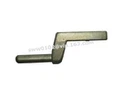
One major requirement is quality control. Insurance companies want to see that the forging parts are made with high - quality materials. For example, if we're talking about steel forging parts, the steel should meet certain standards. OEM A105 Aisi1045 Small Steel Metal Forge is a great example of a product that adheres to quality standards. This type of forging part is made from high - grade steel, which reduces the risk of failure. Insurance companies like this because it means fewer claims due to part breakdowns.
Another important factor is the manufacturing process. The forging process should be well - controlled and follow industry best practices. This includes proper heating, shaping, and cooling of the parts. If the manufacturing process is not done correctly, the parts may have internal defects such as cracks or voids. These defects can lead to premature failure, which is a big no - no for insurance companies. They want to ensure that the forging parts are made in a way that maximizes their lifespan and performance.
Safety Standards
Safety is a top priority in the insurance industry. Forging parts need to meet strict safety standards to be insurable. This means that the parts should be designed and manufactured in a way that prevents accidents. For instance, if the forging parts are used in machinery, they should be able to withstand the normal operating stresses and loads without breaking.
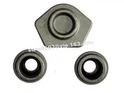
Large Dimension Q235 Carbon Steel Open Die Forging is often used in heavy - duty applications. These parts need to meet high safety standards because they are typically used in situations where failure could have serious consequences. Insurance companies will look at factors such as the part's strength, ductility, and toughness. A part that is too brittle may break easily, while a part that is not strong enough may deform under load. So, it's crucial that the forging parts are engineered to have the right balance of these properties.
Traceability and Documentation
Insurance companies also require traceability and proper documentation for forging parts. They want to know where the parts came from, what materials were used, and how they were manufactured. This helps them in case of a claim. If there is a problem with a forging part, they can trace back the entire production process to find out what went wrong.
As a forging parts supplier, I make sure to keep detailed records of every part we produce. This includes information about the raw materials, such as the batch numbers and test results. We also document the manufacturing process, including the heat treatment parameters and any quality control checks. This documentation gives insurance companies the confidence that the parts are of high quality and can be accounted for.


Customization and Adaptability
The insurance industry often deals with a wide range of clients, each with their own unique needs. So, forging parts need to be customizable and adaptable. Some clients may require parts with specific dimensions, shapes, or performance characteristics. For example, a client in the aerospace industry may need forging parts that are lightweight but still very strong.
High Quality Forging Stainless Steel can be customized to meet these specific requirements. Stainless steel is known for its corrosion resistance and high strength - to - weight ratio, making it a great choice for many different applications. Insurance companies appreciate suppliers who can offer customized solutions because it means that the parts are better suited to the client's needs, reducing the risk of failure.
Cost - Effectiveness
While quality and safety are important, cost - effectiveness is also a consideration in the insurance industry. Insurance companies want to make sure that the forging parts they're insuring are not only high - quality but also reasonably priced. As a supplier, I understand the need to balance quality and cost. We use efficient manufacturing processes and source materials from reliable suppliers to keep our costs down without compromising on quality.
This cost - effectiveness is beneficial for both the clients and the insurance companies. Clients can get the forging parts they need at a reasonable price, and insurance companies can offer more competitive rates because the risk of claims is reduced.
Environmental Considerations
In today's world, environmental considerations are becoming increasingly important. Insurance companies are starting to look at the environmental impact of forging parts. This includes factors such as the energy consumption during the manufacturing process and the recyclability of the parts.
As a responsible supplier, I'm committed to reducing the environmental impact of our forging parts. We use energy - efficient manufacturing processes and strive to use materials that are recyclable. This not only helps the environment but also makes our products more attractive to insurance companies, as it shows that we're taking steps to be sustainable.
Conclusion
In conclusion, the insurance industry has several requirements for forging parts. These include quality control, safety standards, traceability, customization, cost - effectiveness, and environmental considerations. As a forging parts supplier, I'm well - aware of these requirements and work hard to meet them.
If you're in the market for high - quality forging parts that meet the insurance industry's standards, I'd love to have a chat with you. Whether you need OEM A105 Aisi1045 Small Steel Metal Forge, Large Dimension Q235 Carbon Steel Open Die Forging, or High Quality Forging Stainless Steel, I can provide you with the right solutions. Let's start a conversation about your forging parts needs and see how we can work together.
References
- General knowledge of the forging industry and insurance requirements.
- Industry standards and best practices for forging part manufacturing.