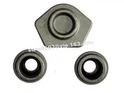

Hey there! As a supplier of CNC machining parts, I often get asked about the magnetic properties of these parts. It's a super interesting topic, and I'm stoked to share what I know with you.
First off, let's talk about what CNC machining is. CNC, or Computer Numerical Control, is a manufacturing process where pre-programmed computer software dictates the movement of factory tools and machinery. This process can be used to make all sorts of parts from different materials, like aluminum, stainless steel, and more.
Now, when it comes to the magnetic properties of CNC machining parts, it all boils down to the material the part is made from. Different materials have different magnetic behaviors, and understanding these can be crucial depending on what the part is going to be used for.


Magnetic Materials in CNC Machining
Iron and Steel Alloys
Iron and many of its alloys are well - known for their magnetic properties. Steel, which is an alloy of iron and carbon, can be magnetic too. In CNC machining, carbon steel parts are often magnetic. For example, if we're making a structural component for a machine using carbon steel, it's likely to be attracted to a magnet. This is because iron atoms have unpaired electrons, and these electrons' spins can align in a way that creates a magnetic field.
When we're machining iron - based parts, we need to be aware of how the magnetic field might affect the machining process. Sometimes, magnetic chips can stick to the cutting tools or the workpiece, which can cause issues like uneven cuts or tool wear. We've got to take steps to deal with this, like using coolant to flush away the chips or using magnetic chip conveyors.
Nickel Alloys
Nickel is another magnetic material used in CNC machining. Nickel - based alloys, such as Inconel, can have magnetic properties. These alloys are often used in high - temperature and high - stress applications, like in aerospace and power generation. The magnetic nature of nickel alloys can be an advantage in some cases. For instance, in certain sensors or magnetic shielding applications, the magnetic properties can be harnessed to achieve the desired functionality.
Non - Magnetic Materials in CNC Machining
Aluminum
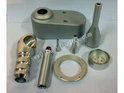
Aluminum is a non - magnetic material commonly used in CNC machining. OEM CNC Machining Aluminum BOV Weld Flange is a great example of a product made from aluminum. Aluminum is lightweight, corrosion - resistant, and easy to machine. Since it's non - magnetic, it won't interfere with electronic devices or magnetic fields in its surroundings. This makes it ideal for applications in the electronics industry, where magnetic interference can cause malfunctions.
Stainless Steel 304
Stainless Steel 304 CNC Custom Machining is also a popular choice. Stainless steel 304 is generally considered non - magnetic in its annealed state. The austenitic structure of this stainless steel grade gives it its non - magnetic property. However, during the machining process, cold working can sometimes induce a small amount of magnetism. This is because the cold working can change the crystal structure of the steel, causing some areas to become magnetic. But overall, for most applications, the magnetic effect is negligible.
Titanium
Titanium is another non - magnetic material used in CNC machining. It's strong, lightweight, and corrosion - resistant. Titanium parts are often used in the medical and aerospace industries. Since it's non - magnetic, it won't cause any issues in MRI machines or other magnetic - sensitive equipment.
Testing the Magnetic Properties of CNC Machining Parts
When we're producing CNC machining parts, we sometimes need to test their magnetic properties. There are a few ways to do this. One simple method is to use a permanent magnet. We just bring the magnet close to the part and see if there's any attraction. If the part is attracted to the magnet, it's magnetic.
For more precise measurements, we can use a gaussmeter. A gaussmeter can measure the strength of the magnetic field around the part. This is especially useful when we need to ensure that a part meets specific magnetic requirements for a particular application.
Applications Based on Magnetic Properties
Magnetic Parts
Magnetic CNC machining parts are used in a variety of applications. In electric motors, magnetic parts are essential for converting electrical energy into mechanical energy. The magnetic fields created by these parts interact with the electric current to produce motion.
In magnetic separators, magnetic parts are used to separate magnetic materials from non - magnetic ones. For example, in a recycling plant, magnetic separators can be used to separate iron and steel from other materials.
Non - Magnetic Parts
Non - magnetic parts are also in high demand. In the electronics industry, non - magnetic parts are used to prevent interference with sensitive electronic components. Custom CNC machining Stainless Steel Bushing Post made from non - magnetic stainless steel can be used in electronic enclosures to support components without causing any magnetic issues.
In the medical field, non - magnetic parts are crucial. Titanium implants, for example, are non - magnetic, which means they won't cause any problems during MRI scans.
Why Choose Us as Your CNC Machining Parts Supplier
We've got years of experience in CNC machining, and we understand the importance of the magnetic properties of the parts we produce. Whether you need magnetic or non - magnetic parts, we've got the expertise to make them to your exact specifications.
We use state - of - the - art CNC machines and high - quality materials to ensure the best results. Our team of skilled machinists is always on top of the latest techniques and technologies in the industry.
If you're in the market for CNC machining parts and have specific requirements regarding magnetic properties, don't hesitate to reach out. We're here to help you find the perfect solution for your project. Let's start a conversation and see how we can work together to meet your needs.
References
- Callister, W. D., & Rethwisch, D. G. (2011). Materials Science and Engineering: An Introduction. Wiley.
- ASM Handbook Committee. (2000). ASM Handbook, Volume 16: Machining. ASM International.